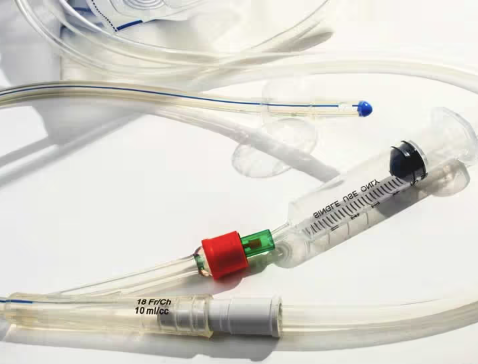
A catheter syringe is an essential medical device used in various clinical procedures, including irrigation, feeding tube administration, and safe medication delivery. Understanding its design, uses, and proper handling is vital for healthcare professionals to provide efficient patient care.
What Is a Catheter Syringe?
A catheter syringe is a syringe with a tapered tip designed specifically to connect with catheters or feeding tubes. Unlike standard syringes, it provides needle-free administration, reducing the risk of injury while delivering fluids, medications, or nutrients accurately.
Key Components of a Catheter Syringe
- Barrel: Holds the fluid or medication to be administered.
- Plunger: Pushes the fluid through the syringe.
- Catheter Tip: Tapered design for secure attachment to catheters or tubes.
- Hub: Stabilizes the connection and prevents leaks.
Healthcare professionals can refer to catheter syringe resources for more detailed information.
Types of Catheter Syringes
Standard Catheter Syringe
Used for general irrigation and feeding tube applications.
Large-Volume Catheter Syringe
Designed to deliver larger volumes of fluids efficiently, commonly used in catheter flushing and enteral feeding.
See also: IUI Hong Kong: Expert Fertility Solutions for Aspiring Parents
Specialized Catheter Syringe
These syringes are tailored for particular clinical applications, such as wound irrigation or laboratory fluid handling.
Applications of a Catheter Syringe
- Enteral Feeding: Delivers nutrition directly into feeding tubes for patients unable to consume food orally.
- Irrigation: Flushes catheters, wounds, and medical devices to prevent infection.
- Medication Delivery: Administers drugs safely without the use of needles.
- Laboratory Procedures: Facilitates precise fluid measurement and transfer.
- Emergency Care: Provides rapid fluid or medication administration in critical situations.
Benefits of Using a Catheter Syringe
- Safety: Needle-free design minimizes the risk of accidental needle-stick injuries.
- Precision: Ensures accurate administration of fluids or medications.
- Ease of Use: Simple attachment to catheters and feeding tubes.
- Versatility: Suitable for feeding, irrigation, medication administration, and lab use.
Proper Handling and Maintenance
- Inspect syringes before use for cracks, damage, or contamination.
- Maintain aseptic technique during connection and administration.
- Ensure a secure attachment to the catheter or feeding tube.
- Avoid overfilling to maintain dosage accuracy.
- Dispose of single-use syringes following hospital protocols.
Troubleshooting Common Issues
- Leaks: Ensure the catheter tip is properly connected.
- Flow Issues: Check for kinks in the tubing and prime the syringe if needed.
- Contamination: Always use sterile syringes and discard compromised units.
- Patient Discomfort: Use gentle, controlled administration and choose the appropriate syringe size.
FAQs About Catheter Syringe
1. What is a catheter syringe used for?
It is used for enteral feeding, irrigation, medication delivery, and laboratory fluid handling without needles.
2. How is a catheter syringe different from a standard syringe?
A catheter syringe has a tapered tip for secure attachment to tubes, while standard syringes require a needle for injections.
3. Can catheter syringes be reused?
Most catheter syringes are single-use and should be disposed of according to medical waste guidelines to prevent contamination.
Conclusion
A catheter syringe is a critical tool in modern healthcare, ensuring safe, accurate, and efficient delivery of fluids, medications, and nutrition. Understanding its components, applications, and proper handling enhances patient care and safety. For further guidance, professionals can consult catheter syringe resources.